Keto Dinner Meals: Easy Low-Carb Recipes for Weeknight Success
Understanding Keto Dinners and Low-Carb Nutrition
Transitioning to a ketogenic lifestyle requires a fundamental shift in how you build your plate. Standard keto dinners are designed to transition your metabolic state from burning glucose to burning fat for fuel—a state known as ketosis. To achieve this, a typical keto recipe relies on a precise macronutrient ratio: approximately 70% to 75% of calories from healthy fats, 20% from high-quality protein, and only 5% to 10% from carbohydrates. Keeping your carbohydrate intake extremely low is the critical lever that encourages your liver to produce ketones.
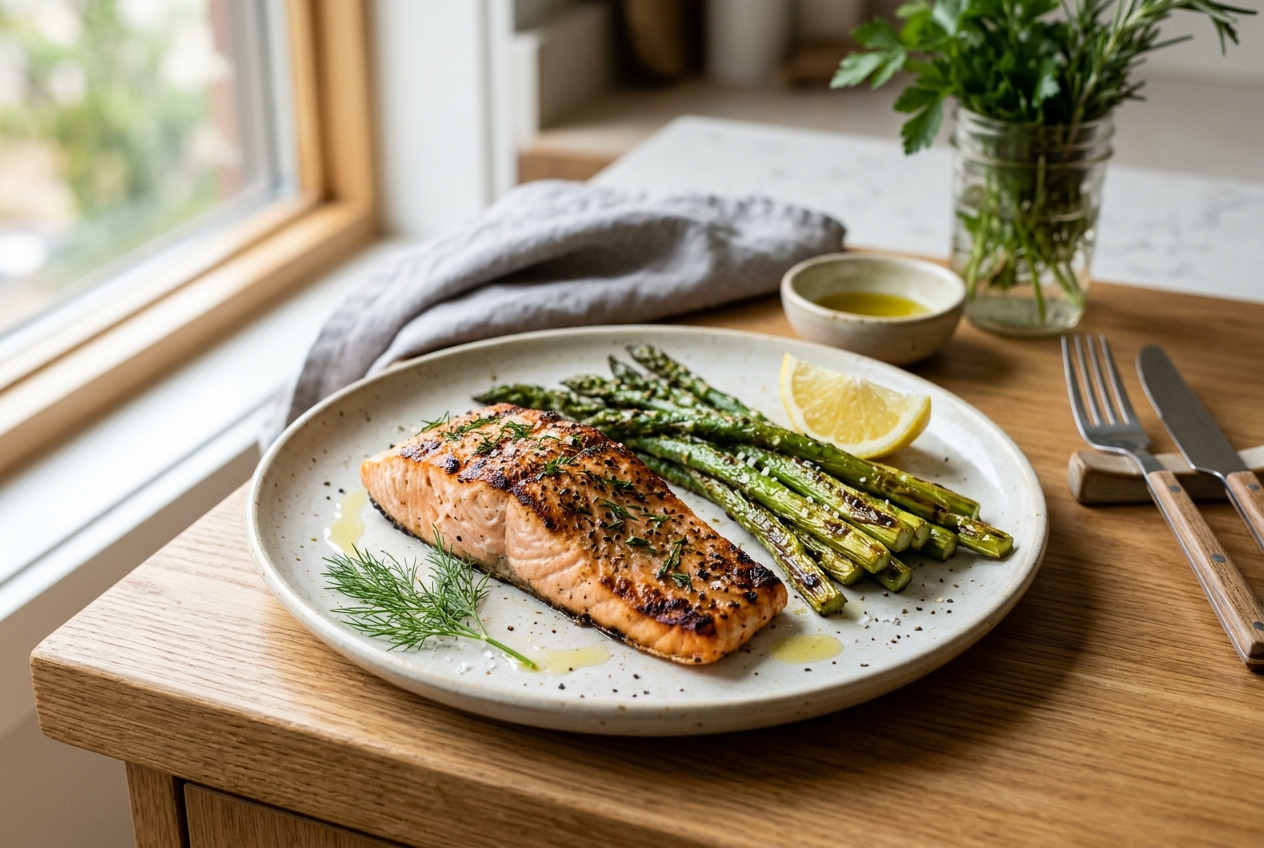
Planning satisfying keto dinner meals does not have to be complicated or time-consuming. By centering your evening meal on healthy fats and clean proteins, you create dishes that keep you satisfied for hours and eliminate late-night cravings. Incorporating high-quality fats like avocado oil, grass-fed butter, and olive oil helps sustain your energy throughout the evening and into the next morning. If you are new to this dietary transition, reading through introductory guides such as the Healthline ketogenic diet 101 can provide a solid scientific foundation.
While organizing your evening meals is vital, establishing a consistent morning routine is equally beneficial. Starting your day with well-formulated low-carb breakfast recipes helps keep insulin levels low, making it much easier to transition smoothly into your evening routine with satisfying low-carb dinners.
Easy Keto Dinners to Transform Your Weeknight Routine
Weeknights can be chaotic, and the temptation to order convenient, high-carb takeout is often strong. However, planning easy keto dinners can completely transform your weeknight routine. Preparing a nutritious keto recipe can be faster and far more rewarding than waiting for delivery. By focusing on simple preparation methods like sheet-pan baking, one-pot meals, and skillet cooking, you can put a delicious meal on the table in under thirty minutes.
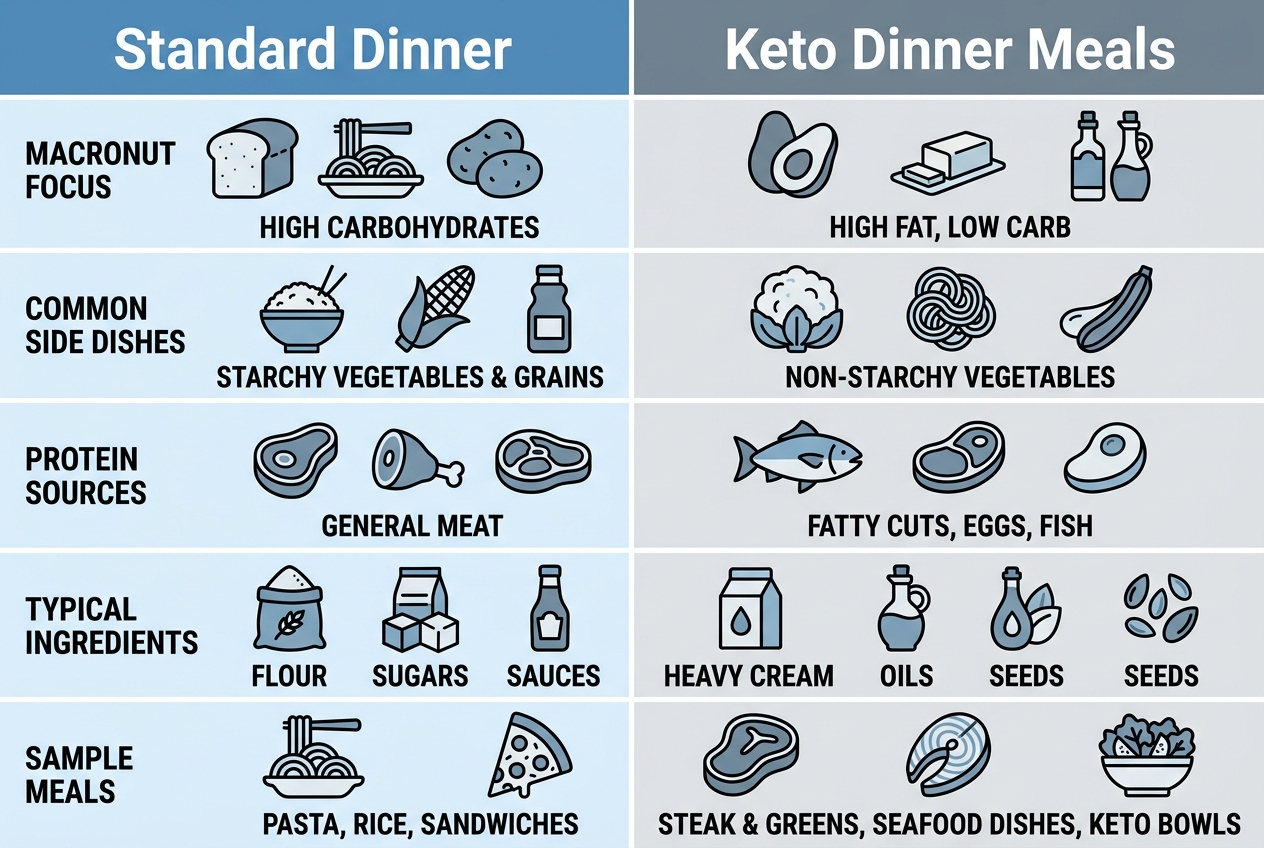
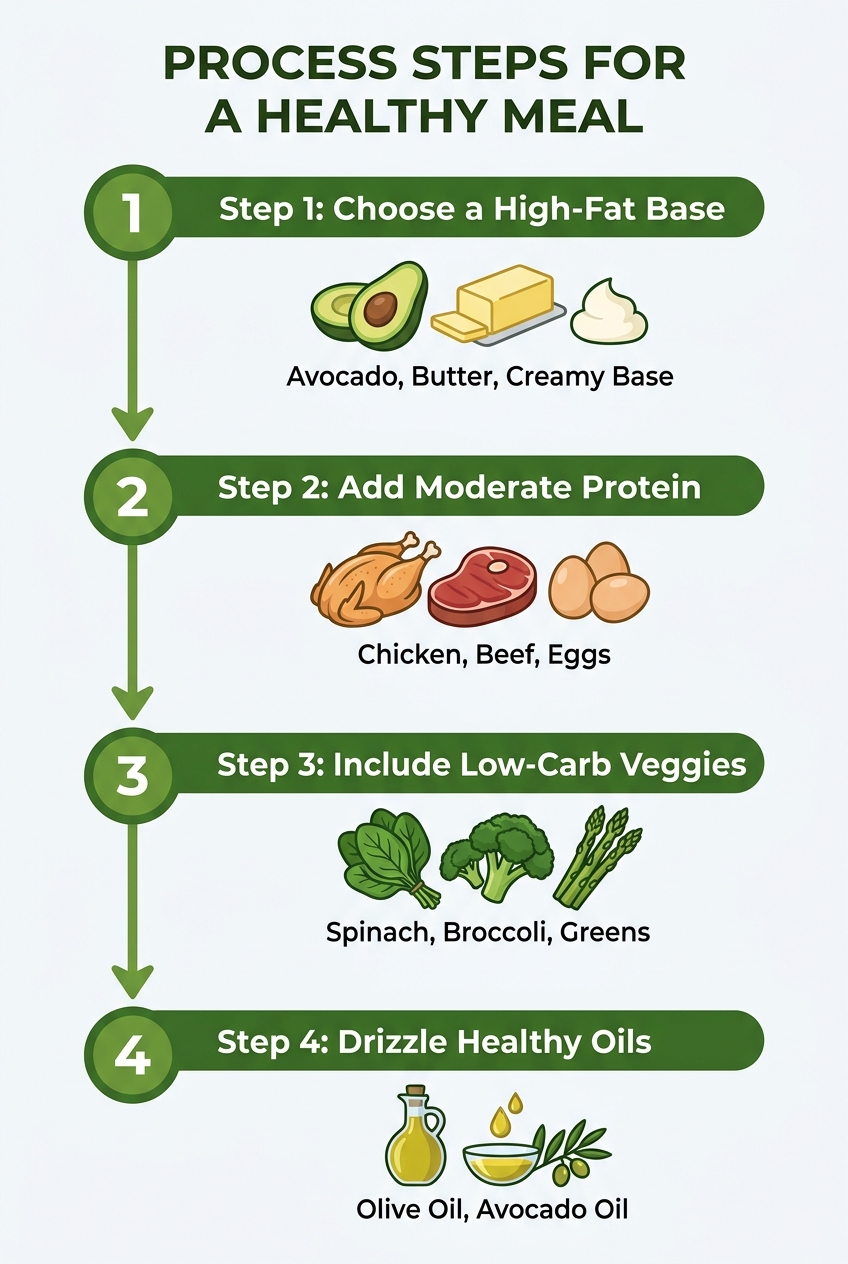
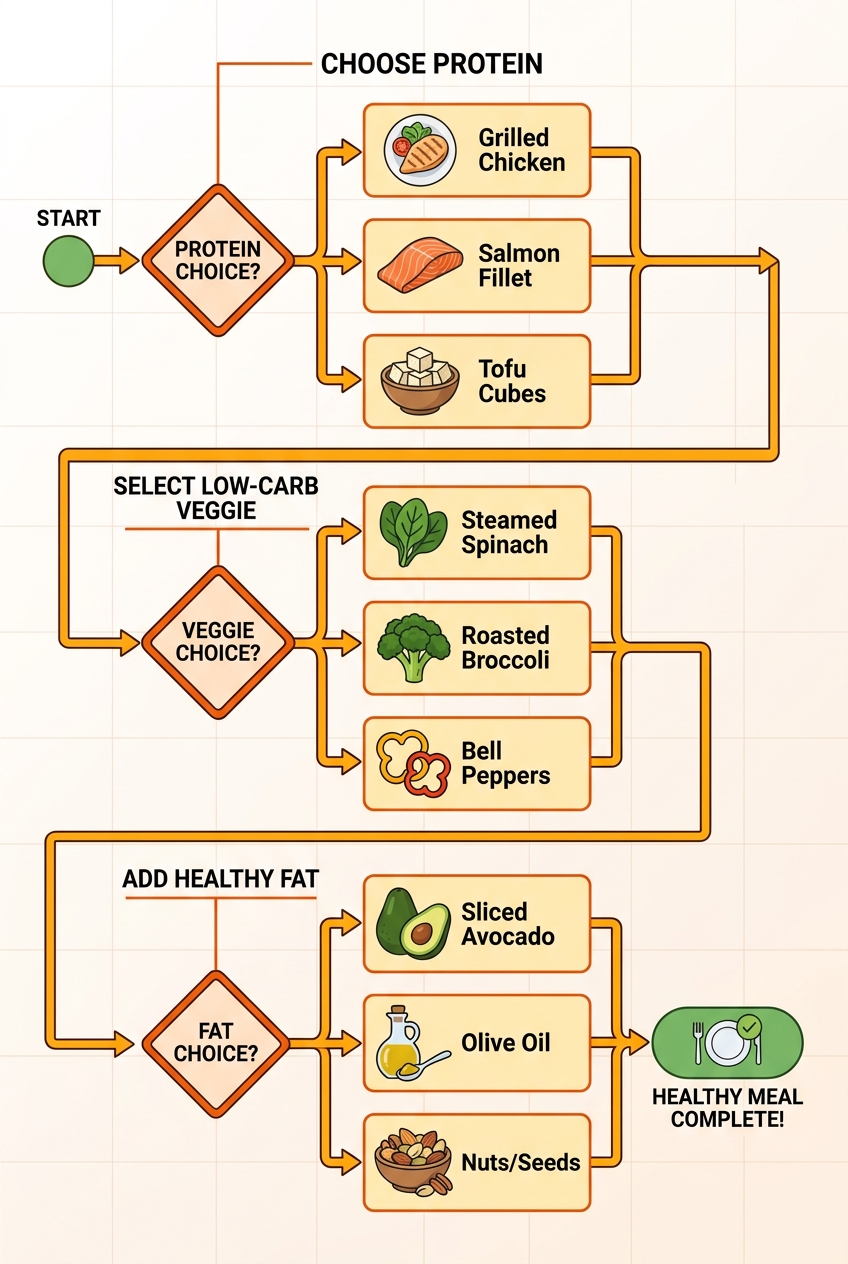
Consider a simple, step-by-step approach to crafting a basic yet highly satisfying low-carb meal. First, select a high-quality protein source, such as chicken thighs, salmon, or ground beef. Second, pair it with a generous portion of non-starchy vegetables like broccoli, asparagus, or zucchini. Third, coat the entire mixture with a healthy cooking fat like avocado oil or ghee, and season generously with herbs and spices. Roast the entire tray at 400°F (200°C) for twenty-five minutes until the proteins are cooked through and the vegetables are tender and slightly caramelized. This method requires minimal effort, keeps cleanup simple, and provides the essential fats and proteins necessary to support your metabolic goals.

These streamlined meals save time and keep the entire household satisfied. When your family experiences how rich and flavorful low-carb cooking can be, they will hardly notice the absence of heavy starches. For those who are just beginning to navigate this lifestyle shift, reading a reliable Diet Doctor keto beginner guide can offer helpful tips on navigating grocery store aisles and meal planning.
Once you master these savory dinners, you might find yourself looking for a sweet note to finish your evening. There are plenty of options available that will not disrupt your progress, including quick and delicious easy keto desserts that satisfy your sweet tooth while keeping carbohydrates to a minimum.
Smart Ketogenic Diet Lunch Ideas for Busy Days
While dinners are highly satisfying, maintaining consistency during the workday is where many individuals face challenges. Preparing smart ketogenic diet lunch ideas in advance is the ultimate strategy to combat midday fatigue and avoid high-carb convenience foods. Planning ahead ensures you always have a satisfying option ready, preventing the blood sugar spikes and subsequent crashes that often accompany standard quick-service meals.
Excellent prep-ahead options include chicken breast salad mixed with avocado oil mayonnaise, cold turkey breast roll-ups stuffed with cream cheese and spinach, and hearty keto bowls layered with leafy greens, boiled eggs, bacon bits, and olive oil dressing. By dedicating a small amount of time over the weekend to prepare these ingredients, you establish a reliable routine that keeps your body in ketosis throughout the day.
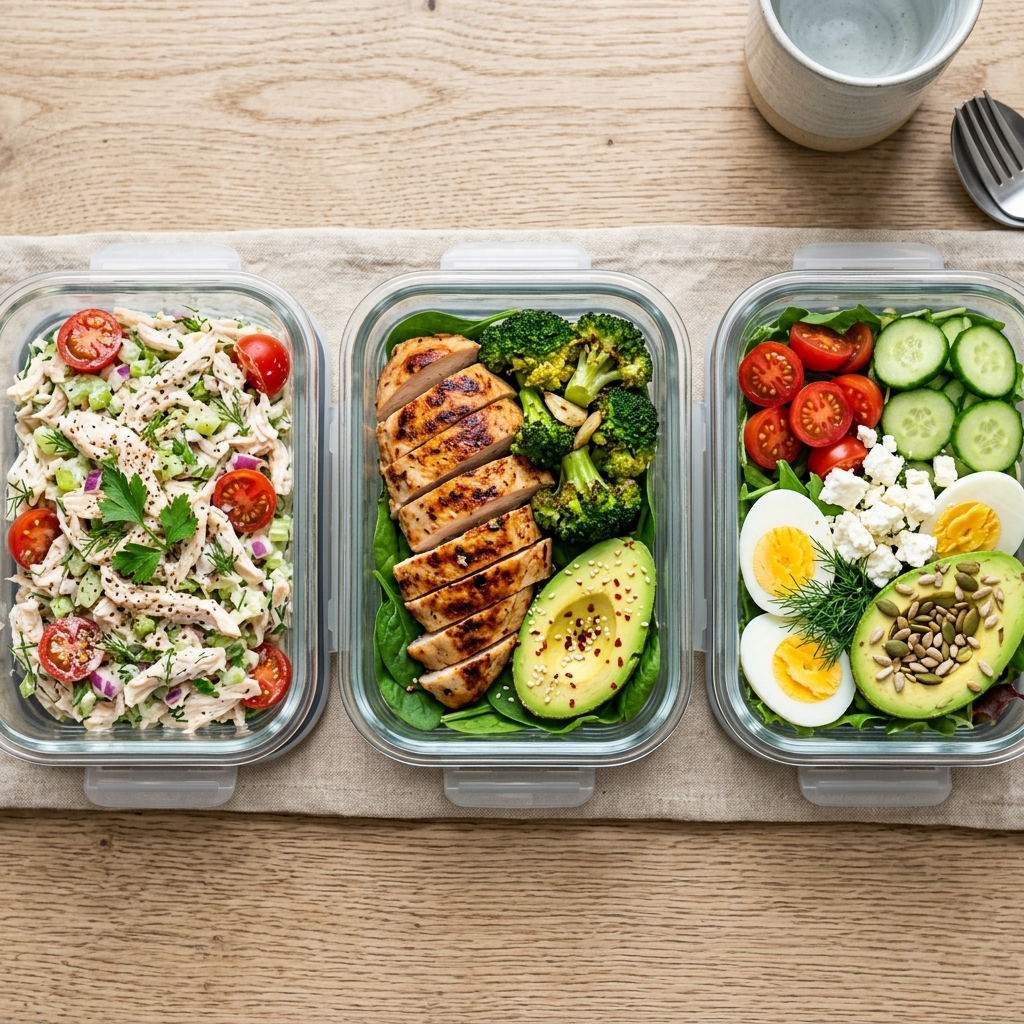
To make this process as efficient and organized as possible, using high-quality storage gear is incredibly helpful. Investing in durable meal prep containers allows you to portion out your lunches neatly and preserve their freshness throughout the workweek.
In addition to structuring your main meals, keeping low-carb snacks nearby is an excellent way to maintain steady energy levels when workloads increase. Keeping a small stash of approved keto snacks to buy in your desk drawer can prevent unnecessary trips to the office vending machine.
The Science of a Ketogenic Diet Lunch and Dinner
Consistently choosing a ketogenic diet lunch and dinner yields profound metabolic benefits. When you limit carbohydrate intake, your body is forced to deplete its glycogen stores and look for alternative energy sources. By transitioning to fat-burning, the liver breaks down fatty acids into ketones, which easily cross the blood-brain barrier to provide a stable, efficient source of fuel. This metabolic shift is highly beneficial for both physical endurance and mental clarity.
A balanced keto diet lunch prevents the drastic insulin spikes and subsequent blood sugar crashes that commonly occur after eating carbohydrate-dense meals. Maintaining stable blood glucose levels supports sustained energy throughout the afternoon and eliminates the classic mid-afternoon energy slump. Scientific literature, such as this clinical study on medium chain triglycerides , demonstrates how specific healthy fats can accelerate ketone production and enhance metabolic efficiency.
Furthermore, managing blood glucose levels through low-carb eating helps prevent the acute drops in energy associated with reactive hypoglycemia. Research discussed in the American Diabetes Association study on hypoglycemia highlights how controlling carbohydrate intake plays a major role in stabilizing glycemic responses and promoting overall hormonal balance.
Many individuals find that pairing a structured low-carb diet with structured eating windows yields even faster results. For those looking to optimize their metabolic flexibility, our guide to intermittent fasting offers a clear pathway to combining these two powerful strategies effectively.
Essential Kitchen Tools for Crafting the Perfect Keto Recipe
While selecting the right ingredients is fundamental, precision is what ultimately ensures your success when preparing a keto recipe. Because the threshold for staying in ketosis is relatively narrow, guess-checking your portion sizes can lead to "carb creep," where hidden carbohydrates quickly accumulate and stall your progress. Even slightly overestimating a portion of vegetables or sauce can inadvertently take you out of ketosis.
Using accurate measurement tools is the most effective way to eliminate this guesswork and ensure your macronutrient ratios remain accurate. By weighing your ingredients, you gain exact knowledge of your daily food intake, which helps you identify any hidden sources of carbohydrates that might otherwise pass unnoticed.
If you want to ensure your portion sizes and macronutrients are perfectly aligned, incorporating a highly precise Etekcity Digital Kitchen Food Scale into your meal prep routine is an essential step that provides absolute confidence in your nutritional tracking.
Elevate Your Meal Prep with Keto Dinner Meals
Succeeding on a low-carb diet is entirely within your reach when you focus on planning and preparation. By establishing a solid routine around nourishing keto dinner meals, you provide your body with the high-quality fats and proteins required to maintain consistent energy and focus. Embracing simple, whole-food recipes will help you enjoy the cooking process while making your health goals sustainable and stress-free.
Take control of your kitchen, prep your ingredients ahead of time, and enjoy the simplicity of clean, low-carb cooking. With the right tools and strategies in place, you can confidently navigate your transition to a healthier, more energetic lifestyle.